

What Does Gender-Transformative ECCE Really Mean?
Exploring how to go beyond surface-level changes to reshape how young children perceive gender biases.
The earliest years of a child's life are when they begin forming ideas about gender, identity, and their place in the world. That's why applying gender transformative approaches in early childhood education isn't just powerful—it's essential. But how can we design programs that move beyond surface-level changes to deeply reshape how young children understand and navigate gender biases?
The Gender Integration Framework: A Tool for Program Design
The Gender Integration Continuum, developed by the Interagency Gender Working Group and used by organisations like UNICEF and Save the Children, is a practical tool that can help educators and program designers create effective gender focussed interventions. The framework is structured in stages, progressing from exploitative or discriminatory to unaware, then sensitive, and finally transformative.
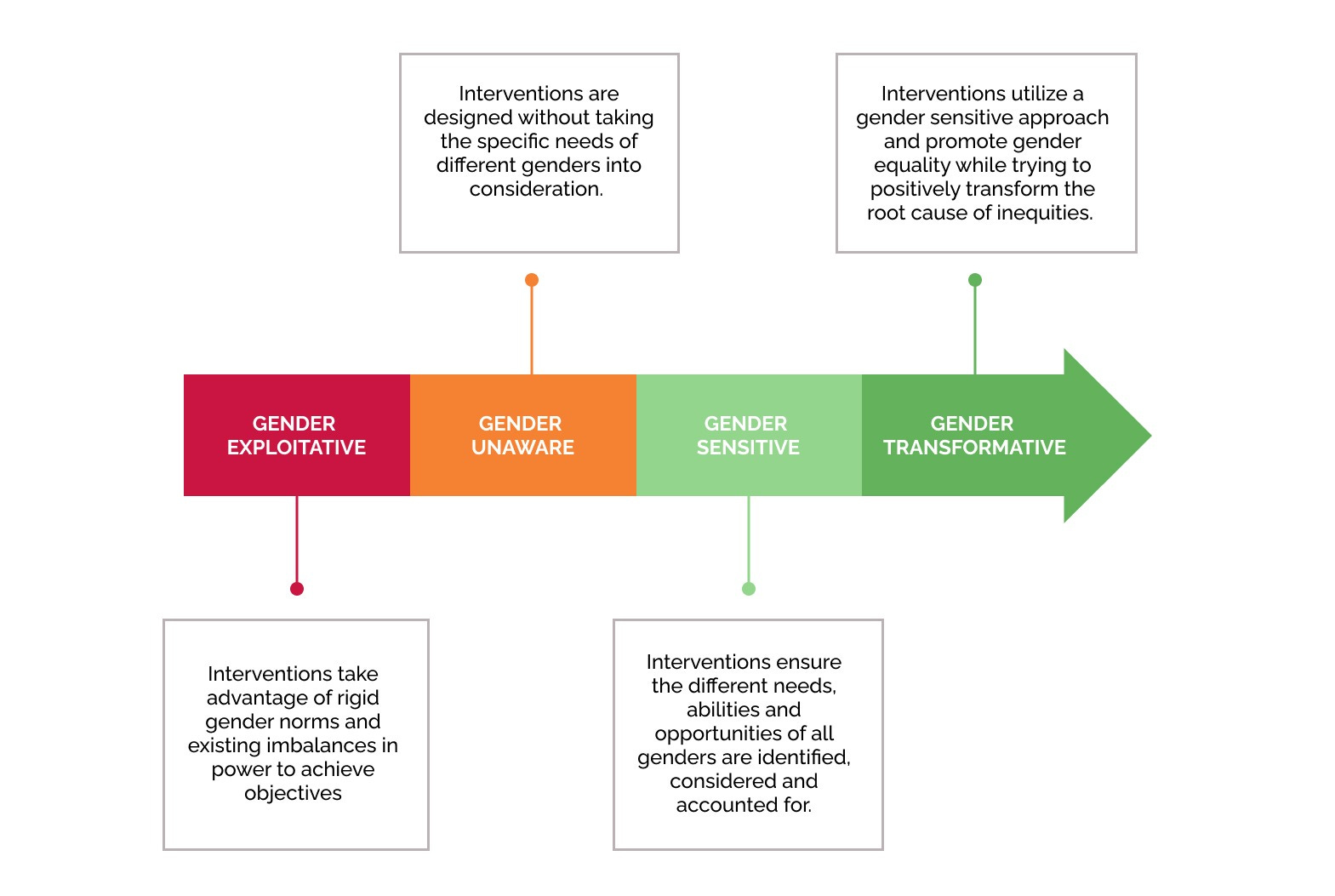
To understand this through an example, imagine a typical classroom scene:
Exploitative: The boys run off to play, while the girls are asked to tidy up, set up the next activity, or help the teacher—reinforcing age-old gender roles.
Unaware: Without thinking much about it, the teacher hands out balls and puzzles to the boys, while the girls get dolls and toy kitchen sets—subtly shaping what they believe they’re "meant" to play with.
Sensitive: The teacher makes sure every child gets a chance to explore different toys and activities, ensuring a balance between learning and play for all.
Transformative: Noticing that some girls step back while boys take the lead, the teacher ensures all children get leadership opportunities. He/she actively encourages girls to take up space, speak confidently, and step forward in activities.
At Rocket Learning, we've been using this tool ever since we started thinking about gender in our work. It has been instrumental in helping us..
Reflect on our work: Mapping our programs on the continuum has given us a clearer picture of where we stand. At times, we’ve realised that even well-intended efforts could go further in actively questioning and reshaping gender norms.
Plan with intention: The continuum has helped us break down the vast and often overwhelming goal of gender equity into clear, actionable stages. By identifying where we are and where we want to go, we’ve been able to set realistic, strategic goals and design interventions that move us forward in a structured way.
Stay motivated: Perhaps most importantly, it’s reinforced that gender equity isn’t a checkbox—it’s a journey. There will always be more to learn, more to refine, and more ways to shift the needle towards lasting change.
Our biggest takeaway?
Small, intentional changes in early childhood education can lead to long-term societal transformation. The Gender Integration Continuum isn’t just a tool for analysis—it’s a guide for action. By using it to both design and evaluate interventions, we can ensure that our programs don’t just acknowledge gender differences but actively reshape how the next generation thinks about and experiences gender.